Old wiring in the gateway to the Thousand Islands
Knob & Tube Kingston arranges licensed knob-and-tube replacement in Gananoque, about 30 minutes east of our Kingston base and home to exactly the kind of building stock this service exists for. Gananoque developed as a river town, and its historic core shows it: the Victorian-era commercial blocks along King Street and Stone Street, the pre-war homes on the residential streets behind them, and the older cottages around town that have long since been converted to year-round living. Much of that stock predates 1950, which means it was built in the era when knob and tube was the standard: two separate cloth-covered wires strung on ceramic knobs, with no ground wire anywhere in the system.
Why Gananoque's tourism economy raises the stakes
Here is what makes Gananoque different from a typical residential town: a meaningful share of its century buildings earn income. Bed-and-breakfasts, short-term rentals, apartments over downtown storefronts, seasonal cottages that now host guests. Insurance companies judge every one of those uses more strictly than an ordinary owner-occupied home. Where a homeowner with active knob and tube might face a surcharge of 50–300% or a conditional policy, a hospitality or rental property is more likely to face outright refusal or non-renewal. A coverage gap on a B&B isn't just a paperwork problem; it's bookings, income and liability exposure all at once. The full mechanics are on our insurance page, but the short version: insurers don't ask whether your wiring has caused a problem yet. They ask whether it's still in the walls.
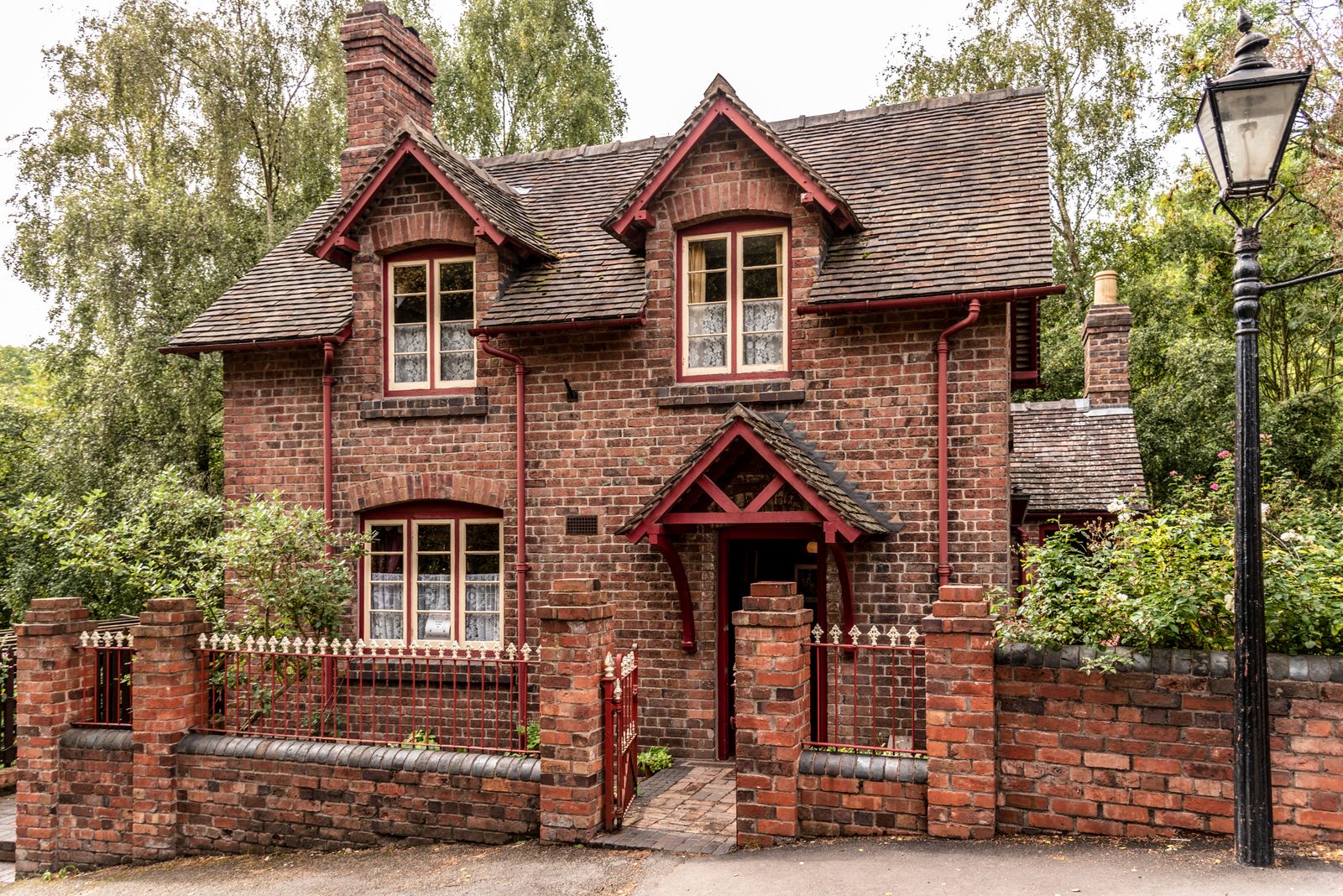
Converted cottages: the hidden-splice problem
The other Gananoque specialty is the converted cottage. A building that started as a three-season place and was winterized over the decades has usually been renovated in stages, by different owners, to different standards. That's precisely where knob and tube gets dangerous: modern circuits spliced into 1930s wiring, taped junctions buried behind newer drywall, and, worst of all, old wiring buried under blown-in insulation added during winterization. Knob and tube was designed to shed heat in open air; buried under insulation, it overheats, and its aged rubber sheathing turns brittle and flakes off. Our guide is knob and tube safe? covers the warning signs, but in a converted building the honest answer is: nobody knows until a licensed electrician traces what's actually live.
What the fix looks like from Gananoque
Distance changes nothing about the process. A partner electrician visits, traces every live circuit, and produces a free written quote for a full or partial rewire, depending on what previous owners already replaced. The work runs under an ESA permit, new grounded cable is fished through existing cavities with small patched openings rather than torn-open walls, and most homes take 3–10 working days. It ends with an ESA Certificate of Inspection, the provincial document your insurer asked for, which typically restores standard rates worth $500–$1,500 a year versus surcharged coverage. Realistic budget ranges: partial jobs $3,000–$6,000, full bungalow rewires $5,000–$8,000, two-storey homes $8,000–$15,000, and large century properties with a 200-amp panel upgrade $14,000–$25,000. Full breakdown on the cost page.
Running a B&B or rental on a rewiring deadline? Guest-season timing matters, and a 30–90 day conditional-policy window is enough time if the quote, permit and crew are arranged early. Request your free quote and mention both your deadline and your booking calendar. The crew can usually schedule around occupied dates.